Anthropic's IPO Didn't Stop the AI Stock Sell-Off: What Happened
Global stock markets fell as the AI company Anthropic started trading publicly. Outlets differ on how the new shares did. Here's what an IPO is and why one listing couldn't turn the market around.
For educational purposes only. Not investment advice.
- According to The Guardian and others, global stock markets fell on the day Anthropic went public, as an AI and tech sell-off continued.
- The outlets disagree on Anthropic's own shares: Citywire reports a 17% pop, while Yahoo Finance UK reports a slide.
- Yahoo Finance UK also reports that US stock futures fell, pointing to weakness on Wall Street.
- Background: one IPO, even a big one, rarely changes the mood of a whole sector.
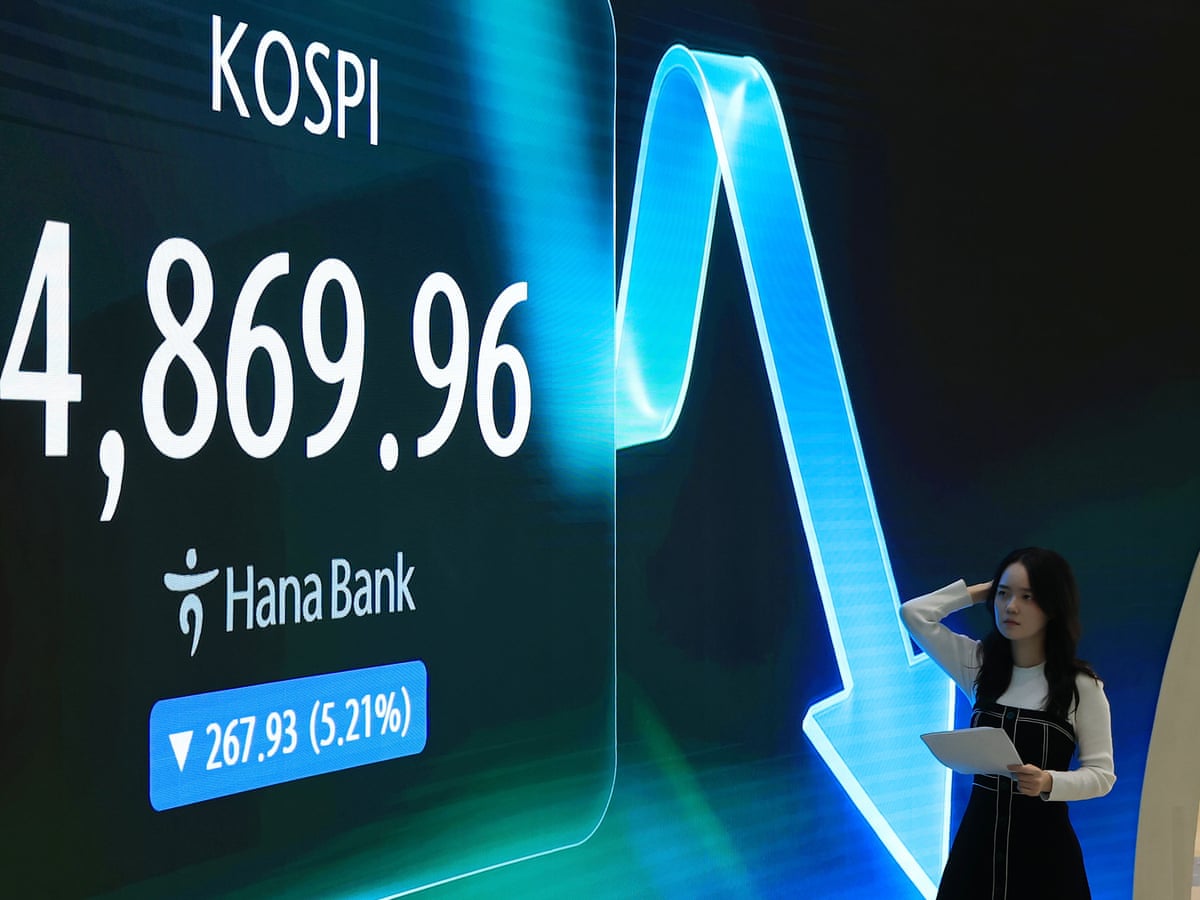
When a well-known company first sells shares to the public, investors sometimes hope the excitement will lift the rest of the market. According to coverage on November 20, 2026, that didn't happen when Anthropic, the artificial intelligence company, went public.
The Guardian reports that global stock markets slumped as Anthropic's initial public offering, or IPO, "fails to stem" a sell-off in AI-related stocks. Several other outlets carried the same framing. This explainer covers what the coverage says, where the reports differ, and some background on how IPOs and sector sell-offs usually work.
What happened
The headlines agree on the big picture. Anthropic's shares began trading publicly, and stock markets in several countries fell anyway. The fall was part of a continuing sell-off in technology and AI stocks. The Guardian, eia.media and cedarnews all ran the headline "Global stock markets slump as Anthropic IPO fails to stem AI sell-off."
Yahoo Finance UK's headline adds detail about the US. It says US stock futures were falling and names the main American benchmarks: the Dow Jones, the S&P 500 and the Nasdaq. Futures are contracts that traders use to bet on where an index will go, and they often trade before the regular market opens. Falling futures are usually read as a sign that stocks may open lower.
How outlets are reading it
The reports don't agree on how Anthropic's own shares did. Citywire's headline says Anthropic had a "17% pop" after its IPO, meaning the shares traded well above the price set for the offering. Yahoo Finance UK's headline says "Anthropic Shares Slide After IPO."
The headlines don't explain the gap. One possibility is that the two outlets were describing different moments: a first-day jump compared with later trading, or the IPO price compared with an earlier close. Prices of newly listed shares often swing a lot in their first days. Readers shouldn't assume either headline tells the whole story.
Both outlets do agree on the larger point. Whether Anthropic's shares rose or fell, the listing wasn't enough to change the mood across the tech sector.
Background: why one IPO can't turn a market
In an IPO, a private company sells shares to the public for the first time, usually with help from investment banks that set a starting price. A first-day jump, often called a "pop," means demand was higher than that price suggested. A big pop can create headlines, but it says more about interest in that one company than about the wider market.
A sector sell-off happens when many investors sell stocks in the same industry at the same time. The reasons can include worries about valuations (how expensive shares look compared with company profits), interest rates, or doubts that heavy spending on a technology will pay off. The headlines here don't say what drove this particular AI sell-off, so it's unclear which of these factors mattered most.
When worries like these are widespread, a single new listing usually doesn't change investors' overall view, even a high-profile one.
Why it matters for everyday people
Many people own stocks indirectly through retirement accounts or index funds. Large tech companies make up a big share of popular indexes like the S&P 500 and the Nasdaq, so a tech sell-off can show up on those account statements even if you never bought an AI stock directly.
Daily market moves are common and often reverse. The coverage here describes one day's events. It doesn't tell us where markets will go next.
| Publisher | Their angle | Original |
|---|---|---|
| The Guardian | Global markets slump; Anthropic IPO fails to halt AI sell-off | Read ↗ at The Guardian |
| Yahoo Finance UK | Anthropic shares slide after IPO as US futures fall | Read ↗ at Yahoo Finance UK |
| eia.media | Republishes the global slump and AI sell-off framing | Read ↗ at eia.media |
| Citywire | Anthropic's 17% post-IPO pop isn't enough to stop the tech selloff | Read ↗ at Citywire |
| cedarnews | Republishes the global slump and AI sell-off framing | Read ↗ at cedarnews |
Words to know
- IPO (initial public offering)
- The first time a private company sells shares to the public so anyone can buy and trade them on a stock exchange.
- Pop
- A quick jump in a new stock's price above its IPO price, usually on its first day of trading.
- Sell-off
- A period when many investors sell the same kind of assets at once, which pushes their prices down.
- Stock futures
- Contracts that let traders bet on where a stock index is headed. They often trade outside regular market hours and hint at how stocks might open.
Questions readers ask
Did Anthropic's stock go up or down?
The reports differ. Citywire says the shares jumped 17% after the IPO, while Yahoo Finance UK says they slid. They may be describing different moments in trading, but the headlines alone don't settle it.
Why didn't a big IPO lift the market?
Background: an IPO mostly reflects demand for one company. When investors are broadly worried about a whole sector, like AI and tech here, one new listing usually isn't enough to change that.
Does this affect people who don't own AI stocks?
It can. Index funds and many retirement accounts hold large tech companies, so a tech sell-off can lower their value. Daily swings are common, though, and one day's moves don't predict what comes next.
For educational purposes only. Not investment advice. We do not recommend any stock, fund, broker or trading platform. Headlines are sourced from Google News · Business; every story links to the original publishers.