Gas Prices Up 34.2% in a Year: What the Latest Inflation Data Shows
Government data shows gasoline prices rose 34.2% in the year through September 2026. Overall inflation and wholesale prices also moved higher. Here's what the numbers mean.
For educational purposes only. Not investment advice.
- The Bureau of Labor Statistics says gasoline prices rose 34.2% in the year through September 2026.
- AP News reports overall inflation rose to 3.7%, with the midterm elections approaching.
- Bloomberg reports producer prices rose the most since 2022, driven by energy costs.
- High energy costs can spread to other prices because fuel is used to make and ship many goods.
Filling up the tank costs a lot more than it did a year ago. According to the Bureau of Labor Statistics (BLS), the government agency that tracks prices, gasoline prices rose 34.2 percent over the 12 months ending in September 2026.
The gas number came out alongside other reports showing broader price pressure. Coverage from AP News, Bloomberg and The American Prospect describes an economy where energy costs are pushing inflation up. Below we explain what the reports say, what the measures mean, and why they matter for household budgets.
What happened
The BLS reported the 34.2 percent annual rise in gasoline prices. To put that in plain terms: something that cost $100 a year ago would now cost about $134.
AP News reports that inflation got worse last month, rising to 3.7 percent. AP notes that this is a sign prices remain elevated, and that it comes as the midterm elections approach.
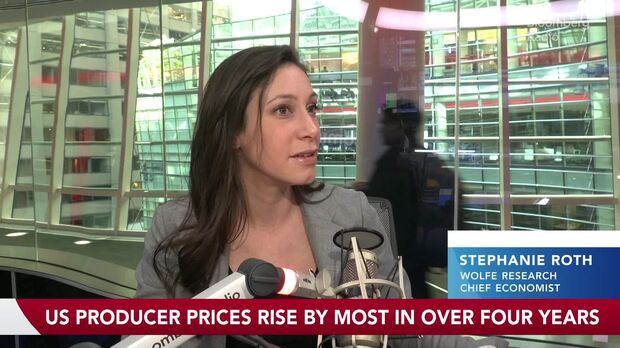
Bloomberg reports that US producer prices rose the most since 2022 and describes the "energy pain" as getting worse. Producer prices measure what businesses get paid for their goods and services, which is different from what shoppers pay at the store.
The American Prospect, a progressive-leaning magazine, calls the situation "A Perfect Economic Storm." That headline suggests the magazine sees several problems arriving at once. The headline itself doesn't list them.
How to read these numbers
Background: The most widely quoted inflation figure usually comes from the Consumer Price Index (CPI). The CPI tracks the prices of a typical basket of things households buy, such as food, rent, clothing, medical care and gasoline. When reports give a single number like 3.7 percent, they usually mean the change in that basket over the past year.
Gasoline makes up only part of the basket. That's why gas prices can jump 34 percent while overall inflation stays in the single digits. Still, energy has a big effect. Fuel costs feed into shipping, farming and manufacturing, so expensive gas can slowly push up prices for many other things.
That's one reason Bloomberg's producer price report matters. When businesses pay more for energy and materials, they often try to pass at least part of that cost on to customers over time. Economists watch producer prices as a possible early signal of where consumer prices may go next. The connection isn't guaranteed, though.
Why it matters for everyday people
For most households, the gas price increase shows up right away: at the pump, in commuting costs, and sometimes in delivery fees or airfares. Higher overall inflation means a paycheck buys less unless wages rise just as fast.
Background: Inflation also shapes decisions at the Federal Reserve, the US central bank. The Fed usually aims for inflation of about 2 percent a year. When inflation runs well above that, the Fed may keep interest rates higher to cool demand. That affects the cost of mortgages, car loans and credit card balances. These reports don't say what the Fed will do.
AP's point about the midterm elections is a reminder that inflation is also a political issue. Rising prices tend to shape how voters judge the economy, so expect candidates to talk about these numbers in the weeks ahead.
| Publisher | Their angle | Original |
|---|---|---|
| Bureau of Labor Statistics (.gov) | Official data on the 34.2% yearly jump in gasoline prices | Read ↗ at Bureau of Labor Statistics (.gov) |
| Bloomberg.com | Wholesale (producer) prices rising fastest since 2022 as energy costs bite | Read ↗ at Bloomberg.com |
| AP News | Consumer inflation rising to 3.7% ahead of midterm elections | Read ↗ at AP News |
| The American Prospect | Opinion framing of several economic problems hitting at once | Read ↗ at The American Prospect |
Words to know
- Inflation
- The general rise in prices over time, which means each dollar buys less.
- Consumer Price Index (CPI)
- A government measure of price changes for a typical basket of goods and services that households buy.
- Producer prices
- What businesses get paid for their goods and services. Often tracked by the Producer Price Index (PPI).
- Bureau of Labor Statistics (BLS)
- The US government agency that collects and publishes data on prices, jobs and wages.
Questions readers ask
If gas went up 34%, why is inflation only 3.7%?
Overall inflation covers a whole basket of spending, including rent, food, healthcare and more. Gasoline is only one part of it, so a big jump in gas prices raises the total by much less.
What's the difference between producer prices and consumer prices?
Producer prices track what businesses get paid, often when they sell to other businesses. Consumer prices track what households pay. Higher producer costs can eventually show up in consumer prices, but not always.
Do these reports say what will happen to gas prices next?
No. The reports describe what already happened through September 2026. They don't forecast future prices.
For educational purposes only. Not investment advice. We do not recommend any stock, fund, broker or trading platform. Headlines are sourced from Google News · Business; every story links to the original publishers.