German Business Mood Improves for a Seventh Straight Month, Ifo Survey Shows
Germany's closely watched Ifo business climate index rose to 90.6 in November, beating expectations. Here's what the survey measures and why one commentator says it's too early to relax.
For educational purposes only. Not investment advice.
- Germany's Ifo Business Climate Index rose to 90.6 in November, which FXStreet says beat expectations.
- Bloomberg reports this was the seventh straight month of improvement in the German business outlook.
- The WSJ says firms reported better current conditions and brighter expectations.
- investingLive notes the survey hints at a recovery but says the ECB can't get too comfortable yet.
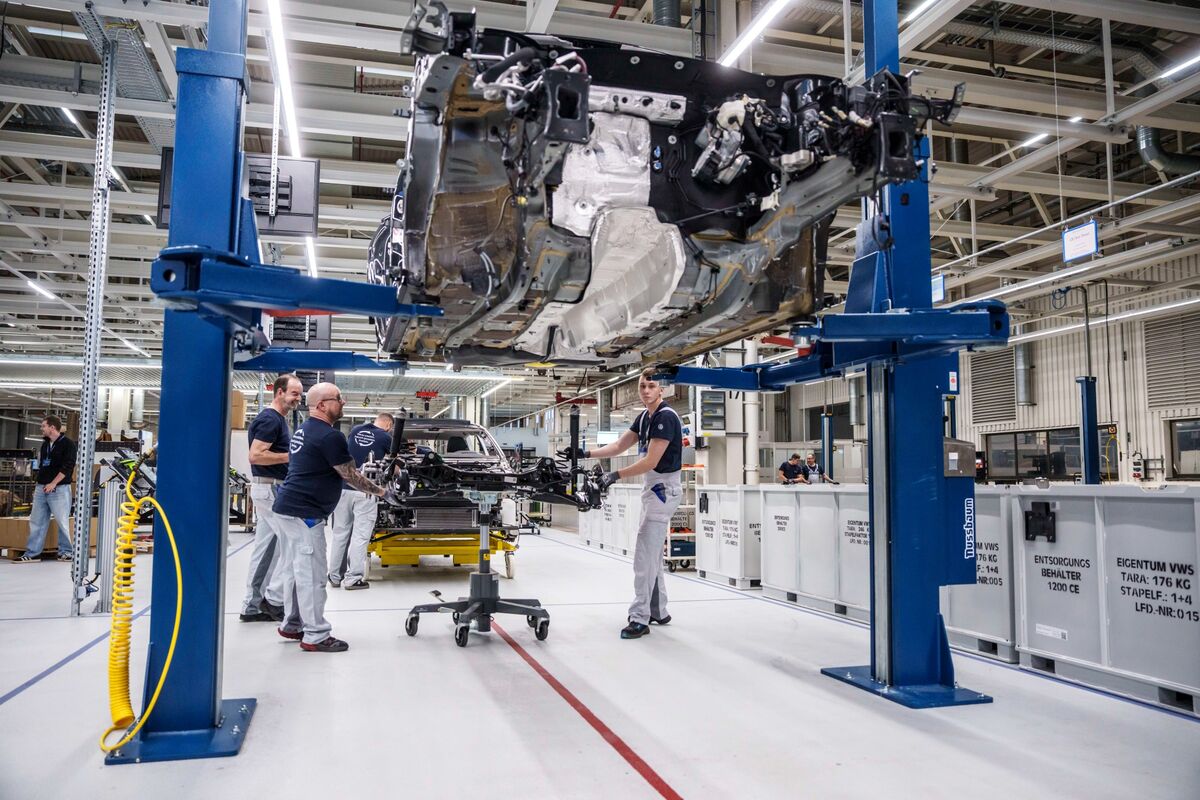
German companies are feeling a bit more upbeat. Bloomberg reports that the German business outlook improved in November for the seventh month in a row, based on a widely followed monthly survey of companies.
Germany has Europe's largest economy, so how its businesses feel matters well beyond its borders. This explainer covers what the survey found, what the numbers mean, and why some observers are still careful about reading too much into it.
What happened
According to FXStreet, Germany's Ifo Business Climate Index rose to 90.6 in November, which it says was a bigger gain than expected. The Wall Street Journal reports that businesses described both their current conditions and their expectations for the months ahead as improving.
Bloomberg points to the streak: this was the seventh straight month that the outlook improved. A single good reading can be a fluke. Several months of gains in a row usually carry more weight, because they suggest a trend rather than a one-off bounce.
What the Ifo index actually measures
Background: The Ifo Institute is an economic research group based in Munich. Every month it asks thousands of German firms in manufacturing, services, trade and construction two basic questions. How is business going right now? And how do they expect it to go over the next six months?
The answers are rolled into one headline number called the business climate index. It also comes in two parts: a "current situation" reading and an "expectations" reading. That's why the WSJ mentions both conditions and expectations getting brighter. When both parts rise together, it usually means firms feel better about today and also about what's coming.
The index is scaled against a baseline year that is set to 100. A reading like 90.6 is mainly useful for comparing against earlier months. People watch which way it's moving more than the exact level.
Economists follow surveys like this because they come out quickly, often before official data such as economic growth figures. They're sometimes called "soft data" because they capture how people feel, which doesn't always line up with what they end up doing.
How outlets are reading it
Most of the coverage frames the result as good news. Bloomberg focuses on the seven-month run of gains. The WSJ stresses that the improvement was broad. FXStreet highlights that the result beat expectations, which matters in financial markets because prices tend to react to surprises more than to the numbers themselves.
investingLive is more cautious. Its headline says the survey "hints at a recovery" but that the European Central Bank (ECB) "still can't get too comfortable." The ECB sets interest rates for the countries that use the euro, Germany included. The headline doesn't spell out every reason. In general, though, a central bank looks at a wide range of data, including inflation and actual economic output, before it decides anything. One better survey rarely settles a policy question.
Why it matters for everyday people
Business confidence can feed into real decisions. When firms feel better about the future, they may be more willing to hire, invest in equipment or expand. When they feel worse, they often hold back. A sustained rise in sentiment can therefore be an early sign of a stronger economy, though it's no guarantee of one.
For people outside Germany, the country's health affects trade partners across Europe and beyond, and it shapes the backdrop for ECB interest-rate decisions. Those decisions in turn influence borrowing costs in the euro area. For now, the November survey points to improving mood, and the official data still has to show whether the economy follows.
| Publisher | Their angle | Original |
|---|---|---|
| Bloomberg.com | Focuses on the seven-month streak of improvement | Read ↗ at Bloomberg.com |
| WSJ | Stresses that both current conditions and expectations improved | Read ↗ at WSJ |
| FXStreet | Highlights the 90.6 reading beating forecasts | Read ↗ at FXStreet |
| investingLive | Cautious: recovery hints, but no comfort for the ECB yet | Read ↗ at investingLive |
Words to know
- Ifo Business Climate Index
- A monthly score based on a survey of German companies about current business conditions and their expectations for the next six months.
- Business sentiment
- How confident or worried companies feel about the economy and their own prospects.
- European Central Bank (ECB)
- The central bank that sets interest rates for the countries that use the euro.
- Soft data
- Economic information based on surveys of opinions and expectations, rather than measured activity like output or sales.
Questions readers ask
Does a higher Ifo reading mean Germany's economy is growing?
Not necessarily. It shows that businesses feel more positive. That often comes before real improvement, but official figures on output and jobs are needed to confirm growth.
Why does it matter that the result beat expectations?
Economists and markets form forecasts ahead of each release. A result better than forecast is a positive surprise, and surprises are what tend to move markets and change views.
Why would the ECB stay cautious after good news?
Central banks base their decisions on many indicators, inflation among them, not on one survey. One commentator's view is that a single better reading isn't enough to change the overall picture.
For educational purposes only. Not investment advice. We do not recommend any stock, fund, broker or trading platform. Headlines are sourced from Google News · Business; every story links to the original publishers.