Germany Backs Brunnermeier for ECB Board, Opening Path for a Spanish President
Reports say Berlin will nominate Markus Brunnermeier for an ECB board seat, which could clear the way for Spain's Pablo Hernández de Cos to lead the central bank.
For educational purposes only. Not investment advice.
- Germany is reportedly backing economist Markus Brunnermeier for the ECB board seat now held by Philip Lane.
- Several outlets say this move could clear the way for Spain's Pablo Hernández de Cos to become ECB president.
- Euronews reported that France and Germany were close to a deal on the top job.
- None of these appointments is final yet, and the ECB sets rates as a committee, not through one leader.
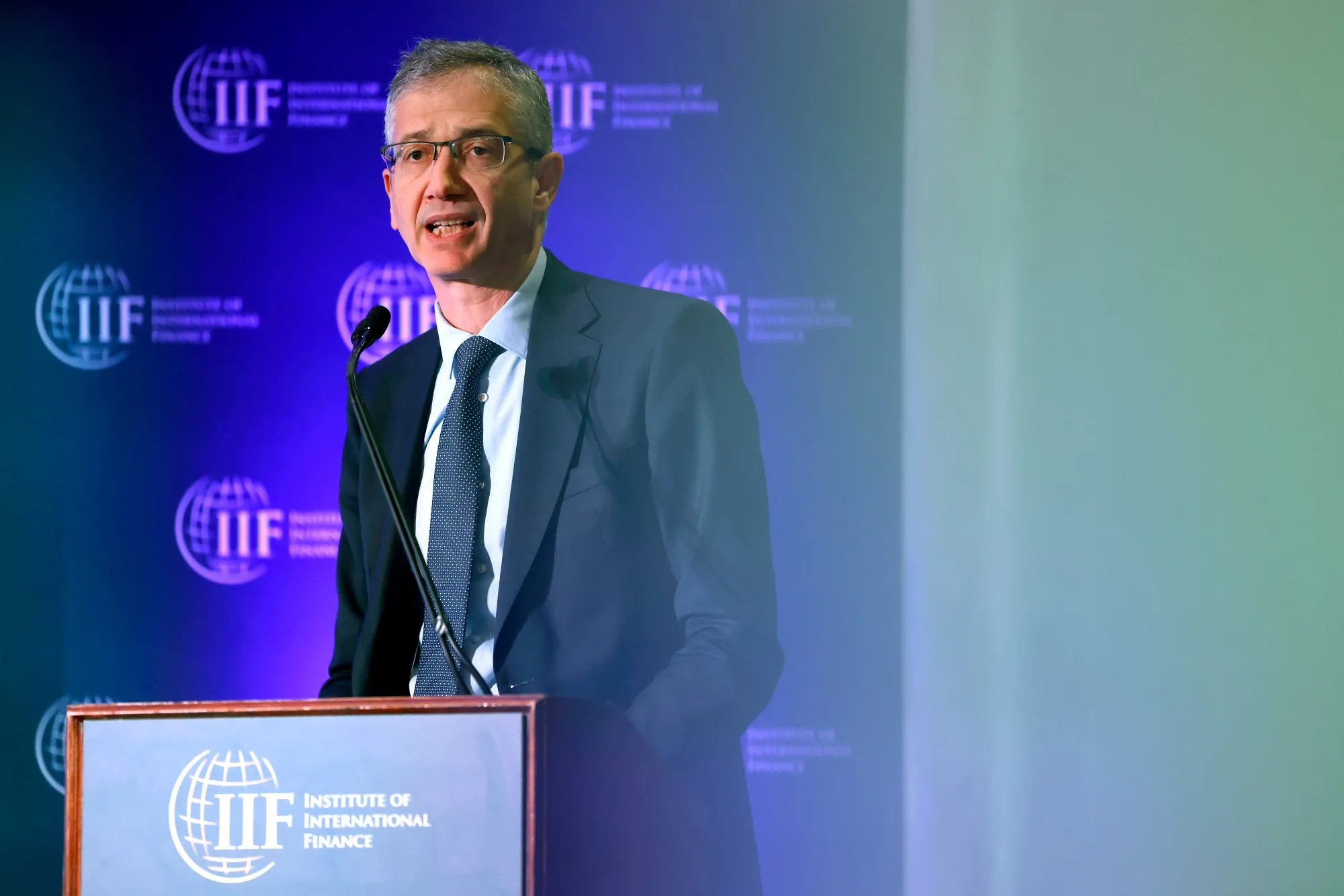
Europe is quietly working out who will run its most powerful economic institution, the European Central Bank (ECB). According to coverage from Bloomberg, the Financial Times, Euronews and TradingView, Germany has chosen its candidate for a seat on the ECB's executive board. That choice appears to open the way for Spain's Pablo Hernández de Cos to become the bank's next president.
These jobs can seem far away from daily life. But the ECB sets interest rates for the 20 countries that use the euro, which affects mortgages, savings and prices for hundreds of millions of people.
What happened
Bloomberg reports that Berlin is backing Markus Brunnermeier for the board job now held by Philip Lane, and that De Cos is "on path" to the ECB. TradingView, citing government sources, reports that German Chancellor Friedrich Merz supports the decision to propose Brunnermeier for an ECB role.
The Financial Times frames Germany's pick as "paving way for Spanish presidency." A few days earlier, on November 13, Euronews reported that France and Germany were nearing a deal that would put De Cos in the ECB's top job.
None of these headlines describes a final, official appointment. The reports describe nominations and political agreements that are still moving through the process.
Why one job affects another
Background: Top jobs at EU institutions are often shared out in packages. Governments try to balance nationalities, big and small countries, and different economic views. If one large country wins one prominent seat, it may be less likely to win another at the same time.
That seems to be the reasoning behind the coverage. Germany is the eurozone's biggest economy. If it focuses on a board seat for Brunnermeier, a German economist who teaches at Princeton University, the presidency becomes more available to a candidate from another country. In this case that would be De Cos, who used to run Spain's central bank. The Euronews report suggests that France, the other major player, is part of the deal.
Background: The ECB's executive board has six members, including the president and the vice-president. Each serves a single eight-year term that can't be renewed. Lane has held the board seat since 2019 and is the ECB's chief economist. Christine Lagarde became president in late 2019. Eurozone leaders formally appoint board members after consulting the European Parliament and the ECB's own Governing Council.
Why it matters for everyday people
The ECB's main task is to keep prices stable. Its target is inflation of about 2% a year. It mostly does this by raising or lowering interest rates. Those decisions affect what people pay on loans and earn on deposits across the euro area. They also ripple out into global markets.
The president leads the meetings where rates are decided and is the bank's public voice. The chief economist usually prepares the economic analysis behind policy proposals. Different leaders can bring different priorities, for example how worried they are about inflation compared with weak growth. Rate decisions are still made by a committee, though, not by one person.
For now, the story is mainly about European politics and how leaders bargain over who gets which job. The headlines don't say what policies the new leaders would pursue or when they would start.
| Publisher | Their angle | Original |
|---|---|---|
| Bloomberg.com | Links Germany's backing of Brunnermeier to De Cos's path to the ECB | Read ↗ at Bloomberg.com |
| Financial Times | Says Berlin's board pick paves the way for a Spanish presidency | Read ↗ at Financial Times |
| Euronews.com | Focuses on a near-deal between France and Germany over the top job | Read ↗ at Euronews.com |
| TradingView | Chancellor Merz's support for proposing Brunnermeier, per government sources | Read ↗ at TradingView |
Words to know
- European Central Bank (ECB)
- The central bank for the countries that use the euro. It sets interest rates for the whole euro area.
- Executive board
- The six-person team that runs the ECB day to day, including the president, the vice-president and the chief economist.
- Chief economist
- The ECB board member who leads the economic analysis that guides interest-rate decisions.
- Eurozone
- The group of EU countries that use the euro as their currency.
Questions readers ask
Is De Cos officially the next ECB president?
No. The headlines describe him as being on a path to the job and mention a deal that was getting close. They don't report a final appointment.
Why does Germany's choice for a board seat matter for the presidency?
EU countries often divide top jobs among themselves. If Germany puts its weight behind a board seat, it becomes easier for a candidate from another country, here Spain, to take the presidency.
Will this change interest rates?
Not right away. The ECB's Governing Council decides rates as a group. The headlines don't say how new leaders might change policy.
For educational purposes only. Not investment advice. We do not recommend any stock, fund, broker or trading platform. Headlines are sourced from Google News · Business; every story links to the original publishers.