IRS Raises 2027 401(k) Limit to $25,500, IRA Limit Stays at $7,500
The IRS has announced how much people can put into retirement accounts in 2027. Here's what changed, what stayed the same, and what the limits mean in plain English.
For educational purposes only. Not investment advice.
- The IRS raised the 401(k) contribution limit to $25,500 for 2027, according to USA Today and plansponsor.
- plansponsor reports that the IRA contribution limit stays at $7,500 for 2027.
- These limits are adjusted for inflation over time, which is why some rise while others stay flat.
- The new caps mostly matter for people who save close to the maximum.
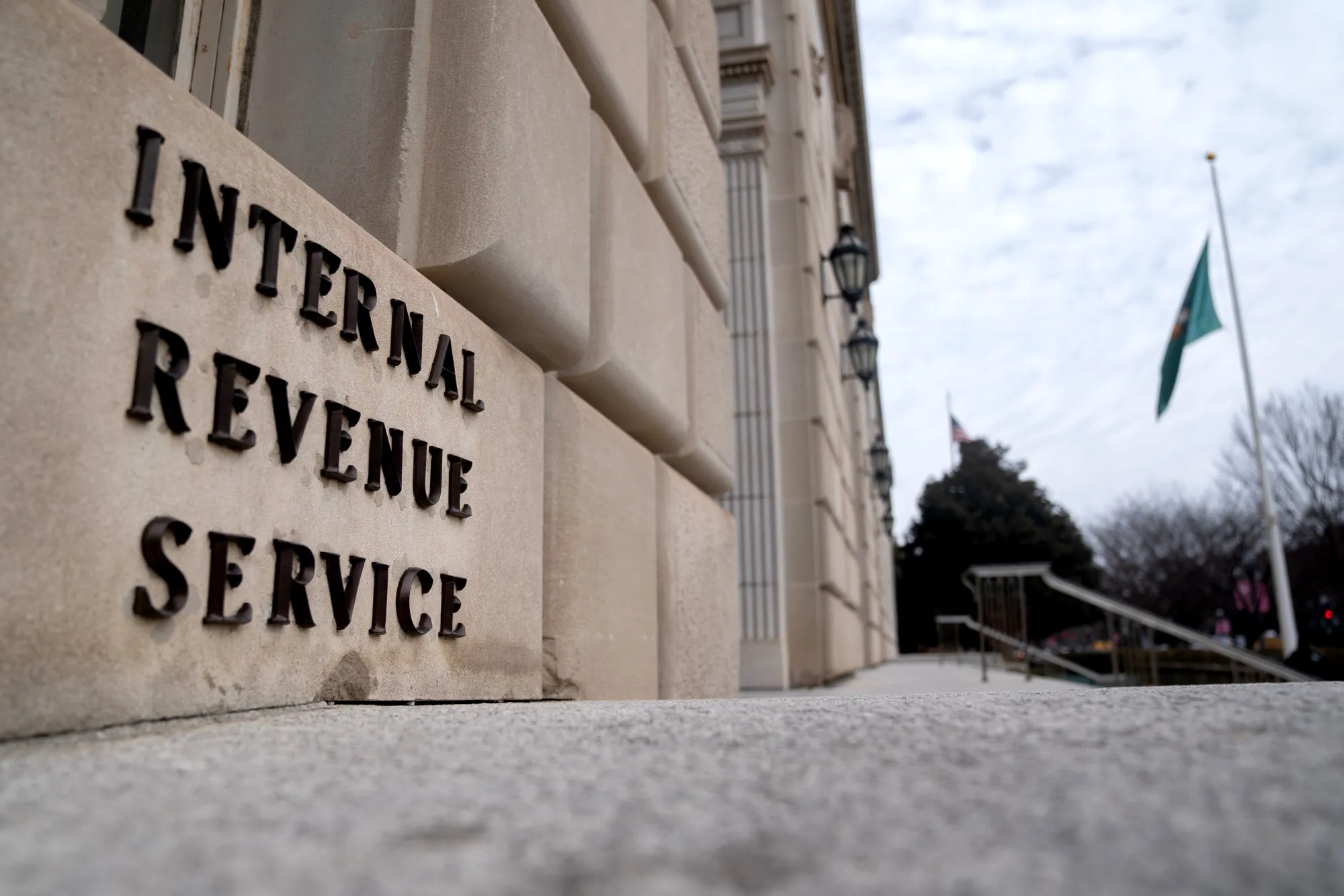
Every year, the Internal Revenue Service (IRS) sets a cap on how much money people can put into tax-advantaged retirement accounts. For 2027, workplace 401(k) plans get a higher cap, while the limit for individual retirement accounts (IRAs) stays the same.
The announcement was covered on November 12, 2026, by Bloomberg, CNBC, USA Today and the industry publication plansponsor. Most people never need to look these numbers up. They matter most if you save a lot, are close to the limit, or are planning your budget for next year.
What happened
According to USA Today and plansponsor, the IRS raised the 401(k) contribution limit to $25,500 for 2027. CNBC describes the change as the IRS raising the savings cap, and Bloomberg's coverage lists the new limits for both 401(k)s and IRAs.
plansponsor reports that the IRA contribution limit stays at $7,500 for 2027. So the yearly cap goes up for workplace plans but not for IRAs.
The headlines don't give every detail, such as the extra amounts older savers can add. Readers who want the full list should check the IRS announcement or the coverage itself.
Background: why these limits exist
A 401(k) is a retirement plan offered through an employer. An IRA is an account you open on your own, usually at a bank or brokerage. Both come with tax benefits. Depending on the type of account, you either get a tax break on the money you put in now or pay no tax on qualified withdrawals later.
Because these accounts lower people's taxes, Congress limits how much can go into them each year. The law ties many of these limits to inflation. When prices rise enough, the IRS raises the caps, usually in fixed steps, often $500 at a time. That's why a limit can rise one year and stay flat the next, as the IRA limit did this time.
There is also a separate, extra amount that people age 50 and older can usually add, called a catch-up contribution. Those amounts are also adjusted over time.
Why it matters for everyday people
If you already put the maximum into your 401(k), the higher limit means you can save more of your paycheck in the account in 2027. Many plans let you set your contribution as a percentage of pay. Some people with a fixed-dollar contribution update it when the limit changes.
For most savers, the limit is not what holds them back. Many workers contribute well below the maximum, often enough to get any matching money their employer offers. For them, the new cap mostly sets an upper boundary and doesn't change much day to day.
The unchanged IRA limit means people who save through IRAs have the same room in 2027 as before. Because a 401(k) and an IRA have separate limits, some people use both. Income rules can affect whether IRA contributions are tax-deductible, or whether someone can contribute to a Roth IRA at all.
What to keep in mind
These numbers are maximums, not targets. How much someone saves depends on their income, expenses, debts and goals. Anyone unsure about their situation can check their plan's website, talk to their HR department, or consult a qualified tax or financial professional.
| Publisher | Their angle | Original |
|---|---|---|
| Bloomberg.com | Straightforward rundown of the new 401(k) and IRA limits | Read ↗ at Bloomberg.com |
| CNBC | IRS raises the savings cap, with a focus on what it means for your money | Read ↗ at CNBC |
| plansponsor | Industry view: specific figures, 401(k) up to $25,500 and IRA unchanged | Read ↗ at plansponsor |
| USA Today | Consumer-focused look at the $25,500 limit and what changes | Read ↗ at USA Today |
Words to know
- 401(k)
- A retirement savings plan offered through an employer, where money is usually taken directly from your paycheck.
- IRA (Individual Retirement Account)
- A retirement account you open on your own, separate from any employer, that comes with tax benefits.
- Contribution limit
- The most money the IRS allows you to put into a particular retirement account in one year.
- Catch-up contribution
- An extra amount that savers age 50 and older can usually add on top of the regular limit.
Questions readers ask
Do I have to contribute the maximum?
No. The limit is the most you're allowed to put in, not a requirement. Many people contribute less, depending on their budget and goals.
Why did the 401(k) limit go up but not the IRA limit?
In general, these limits are adjusted for inflation and usually rise in fixed steps. One limit can reach the next step while another doesn't in the same year.
Can I contribute to both a 401(k) and an IRA?
Generally yes, because they have separate limits. Income rules may affect the tax treatment of IRA contributions, so check the IRS rules or ask a tax professional.
For educational purposes only. Not investment advice. We do not recommend any stock, fund, broker or trading platform. Headlines are sourced from Google News · Business; every story links to the original publishers.