Social Security's 2027 Raise: How the COLA Works and Why People Disagree About It
Several outlets are covering the 2027 cost-of-living adjustment. Some explain the math for retirees, and others ask whether the raise is too small or too big.
For educational purposes only. Not investment advice.
- Social Security's 2027 cost-of-living adjustment (COLA) is getting wide coverage, but the headlines here don't give a specific percentage.
- The COLA comes from the change in the CPI-W inflation index for July through September compared with a year earlier.
- To estimate your own increase, multiply your monthly benefit by the COLA percentage, then remember that Medicare premiums can shrink the gain.
- Outlets disagree over whether the raise is too small for retirees or unfair to the workers who fund the program.
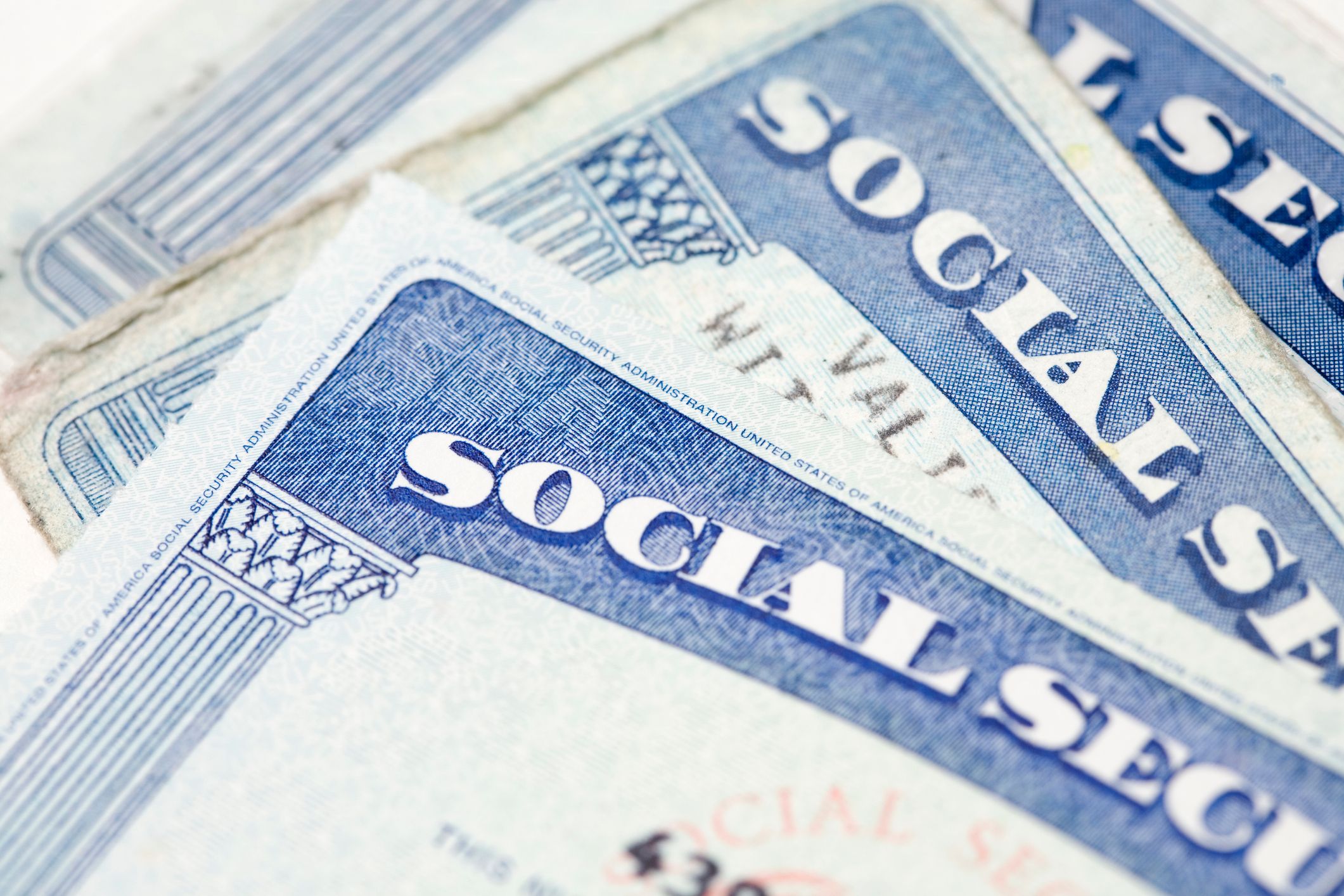
Every fall, Social Security sets the annual raise that tens of millions of beneficiaries will get the next year. This year the 2027 adjustment is in the news, and outlets are covering it in very different ways.
Some coverage sticks to the practical side: how much a typical check might grow and when you'll know your exact amount. Other pieces argue about whether the raise is fair, either to retirees or to the workers whose payroll taxes pay for it. This explainer covers how the raise works and why it's being debated.
What the coverage says
The Motley Fool shows what the 2027 increase might look like for someone collecting $2,000 a month. That's a handy example, because many retirees get a check somewhere near that amount.
AL.com reports that you can find out your exact 2027 increase before the new payments arrive. News4JAX published a broader guide covering cost-of-living changes, payment schedules and other basics.
Two outlets look at the bigger question. CNN's "Make It Make Sense" segment asks whether the Social Security bump is enough. National Review ran an opinion piece arguing that retirees shouldn't get bigger raises than the workers who fund the program.
These headlines don't give a specific 2027 percentage, so we don't report one here.
How the raise is calculated
Here's some background. The yearly raise is called a cost-of-living adjustment, or COLA. Its job is to help benefits keep up with rising prices.
The COLA is tied to a government inflation measure called the CPI-W, which tracks prices paid by urban wage earners and clerical workers. The Social Security Administration compares the average CPI-W for July, August and September with the same three months a year earlier. The percentage change becomes the COLA. If prices didn't rise, there's no increase.
To estimate your own raise, multiply your monthly benefit by the COLA percentage. Here's a made-up example, not a forecast: a 2% COLA on a $2,000 check would add $40 a month. A 3% COLA would add $60. The new amount usually shows up in January payments.
Many retirees have Medicare Part B premiums taken out of their Social Security checks. If that premium goes up too, the amount actually deposited may rise by less than the COLA alone suggests.
Why outlets disagree
The debate comes down to a question of fairness.
One view, reflected in CNN's framing, is that the COLA may not cover what retirees actually spend. Older people often put a bigger share of their money into things like healthcare and housing. Those costs can rise faster than the overall prices the CPI-W tracks.
The opposing view, argued in National Review's opinion piece, looks at the people paying for the program. Today's workers fund Social Security through payroll taxes. If retirees' raises outpace workers' wage growth, the writer argues, it isn't fair to younger taxpayers.
Both arguments tie into a long-running debate about which inflation measure Social Security should use, and about the program's long-term finances.
Why it matters for everyday people
If you get Social Security, the COLA is the main way your benefit keeps up with prices. Knowing how it's calculated can help you plan your budget for next year.
Background: the Social Security Administration has in recent years posted COLA notices online in personal my Social Security accounts, often before paper letters arrive. That may be the kind of early check AL.com describes.
If you're still working, this debate matters too. Choices about how benefits grow affect what the program costs and what you may get later.
| Publisher | Their angle | Original |
|---|---|---|
| The Motley Fool | Practical math: what the raise might mean for a $2,000 monthly benefit | Read ↗ at The Motley Fool |
| CNN | Asks whether the raise is enough for retirees | Read ↗ at CNN |
| AL.com | How-to: finding out your exact increase early | Read ↗ at AL.com |
| News4JAX | General guide to COLA changes and payment schedules | Read ↗ at News4JAX |
| National Review | Opinion: retirees' raises shouldn't outpace those of the workers who fund them | Read ↗ at National Review |
Words to know
- COLA (cost-of-living adjustment)
- An annual increase in Social Security benefits meant to help payments keep up with rising prices.
- CPI-W
- The Consumer Price Index for Urban Wage Earners and Clerical Workers, a government inflation measure used to set the COLA.
- Payroll tax
- A tax taken out of workers' paychecks (and matched by employers) that funds Social Security.
- Medicare Part B premium
- The monthly cost of Medicare's outpatient coverage. For many retirees it's taken directly out of their Social Security check.
Questions readers ask
How do I figure out my own 2027 increase?
Multiply your current monthly benefit by the official COLA percentage. For example, a hypothetical 2% raise on $2,000 would add $40 a month. Your official notice will show the exact amount, and it may account for Medicare premium deductions.
When does the new amount start?
Usually the COLA first shows up in benefits paid in January. AL.com reports that you can see your exact increase before then, and the Social Security Administration has in recent years posted notices to online my Social Security accounts.
Why do some people think the raise is unfair?
Some argue the inflation measure doesn't fully capture retirees' costs, like healthcare, so the raise is too small. Others, like the National Review opinion piece, argue that retirees shouldn't get bigger raises than the workers whose taxes fund the program.
For educational purposes only. Not investment advice. We do not recommend any stock, fund, broker or trading platform. Headlines are sourced from Google News · Business; every story links to the original publishers.