Stock Futures After the Midterms: Why Outlets Described the Same Morning Differently
Democrats won majorities in Congress, according to several outlets. Headlines described the market reaction as mixed, steady or falling. Here's what futures are and why the coverage didn't match.
For educational purposes only. Not investment advice.
- Yahoo Finance and AOL.com report that Democrats won majorities in both the House and the Senate in the 2026 midterms.
- Outlets described the early reaction in US stock futures as mixed, steady or falling, which suggests no strong move in either direction.
- Futures trade overnight and act as an early mood check, but they can change before and after the market opens.
- Who controls Congress can shape tax, spending and regulatory policy over time, well beyond one morning's trading.
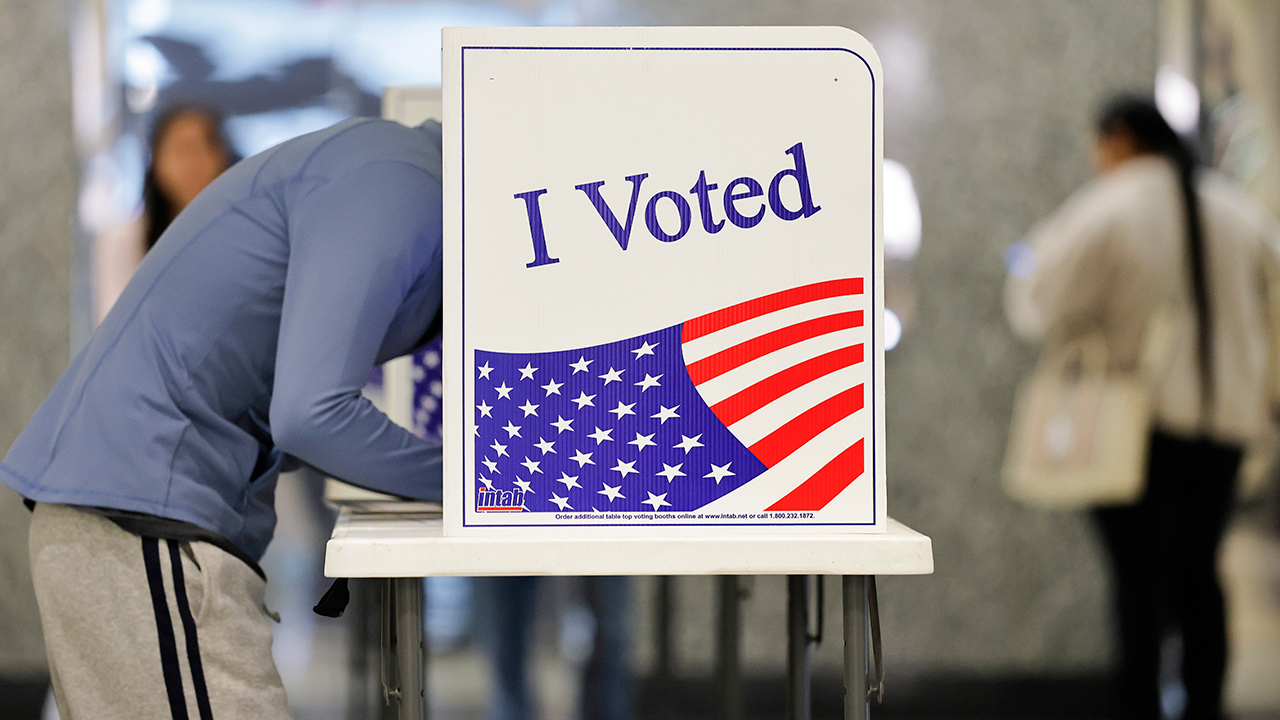
On the morning after the 2026 US midterm elections, financial news outlets were watching the same thing: how investors would react to a change in who controls Congress. They didn't all describe that reaction the same way.
Yahoo Finance and AOL.com report that Democrats won majorities in both the House and the Senate. Fox Business called the results "key midterm election wins" for Democrats. Early market signals were described as mixed, steady or falling, depending on the outlet. This piece looks at what those signals are and why the headlines differed.
What happened
Fox Business reports that US stock futures were mixed as Democrats scored important wins. Yahoo Finance described US stock index futures as steady as Democrats "seize Congress." Business Insider reported that futures fell as investors weighed "a midterm shake-up in Washington." AOL.com, carrying a wider view, said Asian shares and US futures were mixed as Democrats gained majorities in both chambers.
None of these headlines points to a dramatic swing. They describe a cautious early reaction. The headlines don't give exact figures, so this article won't either.
What stock futures are
Background: stock futures are contracts that let traders bet on where a stock index, such as the S&P 500 or the Dow Jones Industrial Average, will be at a later date. They trade almost around the clock, including overnight, when the regular stock market is closed.
Because of that, futures often serve as an early signal of investor mood before the opening bell. A big news event that happens overnight, like election results, usually shows up in futures first. Still, futures can change before the market opens, and the early direction doesn't always hold for the rest of the day.
How outlets are reading it
The differences in wording are probably less about disagreement on the facts and more about framing. When futures are moving only slightly, or when different indexes move in different directions, one editor may call it "mixed," another "steady," and a third may focus on whichever index dipped and write "fall." Headlines are also written at a specific moment, and futures can shift from hour to hour.
Business Insider's phrase "shake-up in Washington" focuses on uncertainty. Yahoo Finance's "steady" focuses on calm. Fox Business and AOL.com landed in between with "mixed." Taken together, the coverage suggests investors were taking in the results without a strong, clear reaction in either direction at that point.
Why it matters for everyday people
Background: when one party holds the White House and another controls Congress, the setup is often called "divided government." Commentators frequently say divided government can make major new laws harder to pass, because both sides have to agree. Some investors see that as more predictable. Others worry about standoffs over budgets or the debt limit. How things actually play out depends on the people and issues involved.
For most people, one morning of futures trading says little about retirement accounts or household finances over the long run. Congressional control can matter more over time through decisions on taxes, government spending, regulation and other policies that affect businesses and consumers. Those effects usually show up gradually as laws are debated and passed, not overnight.
| Publisher | Their angle | Original |
|---|---|---|
| Fox Business | Futures mixed; stresses key Democratic wins | Read ↗ at Fox Business |
| Yahoo Finance | Futures steady; Democrats take control of Congress | Read ↗ at Yahoo Finance |
| Business Insider | Futures fall as investors weigh a Washington shake-up | Read ↗ at Business Insider |
| AOL.com | Global view: Asian shares and US futures mixed as Democrats win both chambers | Read ↗ at AOL.com |
Words to know
- Stock futures
- Contracts that bet on where a stock index will be at a future date. They trade nearly around the clock and often hint at how the market may open.
- Midterm elections
- US federal elections held halfway through a president's four-year term, in which all House seats and about a third of Senate seats are up for election.
- Divided government
- When the presidency and at least one chamber of Congress are controlled by different political parties.
- Stock index
- A measure that tracks a group of stocks, such as the S&P 500 or Dow Jones, to show how a part of the market is doing.
Questions readers ask
Why did one outlet say futures fell while others said they were steady or mixed?
Small moves can be described in different ways. Different indexes can move in different directions, and headlines are written at different times. Taken together, the coverage points to a muted reaction, not a sharp drop.
Does the futures move tell me what the stock market will do?
Not reliably. Futures give an early read on investor mood, but they often change during the day, and short-term moves say little about the long term.
How could a change in Congress affect me?
Congress decides on taxes, government spending and many regulations. A change in control can shift which policies move forward, but those effects usually show up slowly as laws are debated and passed.
For educational purposes only. Not investment advice. We do not recommend any stock, fund, broker or trading platform. Headlines are sourced from Google News · Business; every story links to the original publishers.