The IRS Raised the 401(k) Contribution Limit for 2027. Here's What That Means
Several outlets report the IRS is raising the 401(k) savings cap for 2027, with some saying it goes up $1,000. Here's how the limit works and who it affects.
For educational purposes only. Not investment advice.
- The IRS has announced higher 401(k) contribution limits for 2027, according to CNBC, Fox Business and others.
- Fox Business and the New York Post report the increase is $1,000.
- The limit caps how much of your own pay you can put into a 401(k) each year, and it is usually adjusted for inflation.
- The higher limit only matters if you change how much you contribute. Most people save less than the maximum anyway.
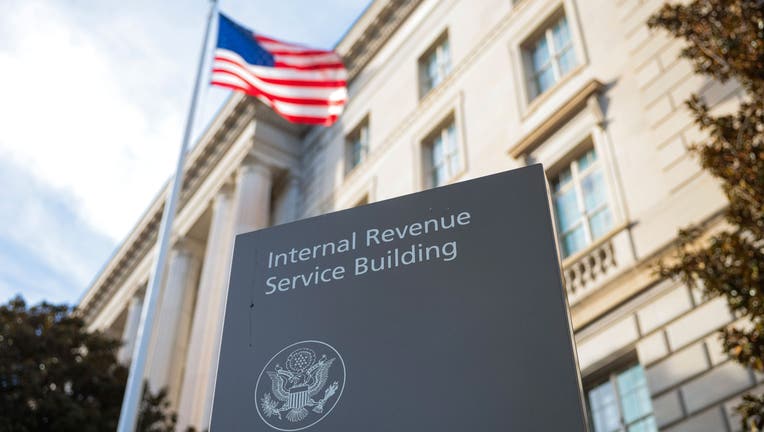
If you save for retirement through a 401(k) at work, a limit you may never have thought about is going up. Several news outlets report that the Internal Revenue Service (IRS) has announced higher 401(k) contribution limits for 2027.
Fox Business and the New York Post both report that the cap is rising by $1,000. CNBC describes it as a higher savings cap and looks at what it means for people's money. Here is what the change is, how these limits work and who it is likely to affect.
What happened
CNBC reported on November 12, 2026 that the IRS had announced its 2027 401(k) contribution limits and raised the savings cap. Coverage that followed from the New York Post, LiveNOW from FOX and Fox Business described the same announcement.
Fox Business's headline says the limit goes up by $1,000 for 2027 "as retirement savings caps increase." That wording suggests other retirement account limits are changing too, but the headlines don't give details on those. The New York Post calls it a "$1,000 boost" and says people can "secure" it with "a simple step." Most likely that means changing how much you contribute, which is explained below.
Background: how 401(k) limits work
A 401(k) is a retirement savings plan offered by many employers. You choose a share of each paycheck to put into the account, and the money is invested for the long term. Depending on the plan, that money may go in before income taxes are taken out (traditional) or after taxes in exchange for tax-free withdrawals later (Roth).
Because these accounts get tax breaks, federal law caps how much workers can put in each year. The IRS usually reviews the limit every year and raises it in steps tied to inflation, so the cap keeps pace roughly with rising prices and wages.
Some details people often miss:
• The main limit applies to what you contribute from your own pay. Matching money from your employer generally doesn't count against your personal limit, though there is a separate, higher cap on total contributions.
• Workers age 50 and older can usually make extra "catch-up" contributions above the standard limit. These have their own separate limits, which may also change.
• The limit is set per person and covers all of your 401(k)-type plans combined, not each plan separately.
Why it matters for everyday people
For most savers, the new limit won't change anything right away. Many workers contribute far less than the maximum, so a higher ceiling doesn't affect them unless they decide to save more.
The people most affected are those who already contribute the maximum or close to it. For them, a $1,000 increase means room to set aside a bit more with tax benefits in 2027.
That's likely the "simple step" in the New York Post headline. Contributions are usually set as a percentage or dollar amount through your employer's benefits system, and they don't adjust on their own just because the IRS raised the cap. People who want to contribute more generally have to update that setting themselves, often during benefits enrollment or at any point the plan allows.
Whether saving more makes sense depends on each person's budget, debts, emergency savings and goals. The limit is only a ceiling. You don't have to reach it.
| Publisher | Their angle | Original |
|---|---|---|
| LiveNOW from FOX | Focuses on how much more savers can put away | Read ↗ at LiveNOW from FOX |
| CNBC | First report of the announcement, focused on what it means for your money | Read ↗ at CNBC |
| New York Post | Calls it a $1,000 boost that savers need to take a step to claim | Read ↗ at New York Post |
| Fox Business | Reports the $1,000 rise as part of broader increases to retirement caps | Read ↗ at Fox Business |
Words to know
- 401(k)
- A retirement savings plan offered through an employer, where workers put part of each paycheck into an account that gets tax benefits.
- Contribution limit
- The most money the IRS allows you to put into a tax-advantaged retirement account in one year.
- Catch-up contribution
- Extra contributions allowed for workers age 50 and older, on top of the standard limit.
- Employer match
- Money your employer adds to your 401(k), usually based on how much you contribute yourself.
Questions readers ask
Do I have to do anything because the limit went up?
Not unless you want to save more. Your contributions usually stay the same until you change them through your employer's benefits system.
Does my employer's match count toward the limit?
Usually not toward the main limit on your own contributions. Employer money falls under a separate, higher cap on total contributions.
Why does the IRS change the limit?
The limits are generally adjusted for inflation, so they rise over time as prices and wages go up.
For educational purposes only. Not investment advice. We do not recommend any stock, fund, broker or trading platform. Headlines are sourced from Google News · Business; every story links to the original publishers.