Wholesale Prices Jump in September: What the PPI Report Means
A key government gauge of what businesses pay rose faster than expected in September. Here's what the Producer Price Index measures and why the Fed and households watch it.
For educational purposes only. Not investment advice.
- Wholesale prices rose faster than expected in September, according to MarketWatch.
- CNBC reports a 6.3% increase over the past year, the largest since 2022.
- Higher wholesale costs can push up consumer prices later, but the effect isn't automatic.
- Outlets link the report to pressure on the Fed and to affordability worries ahead of the midterms.
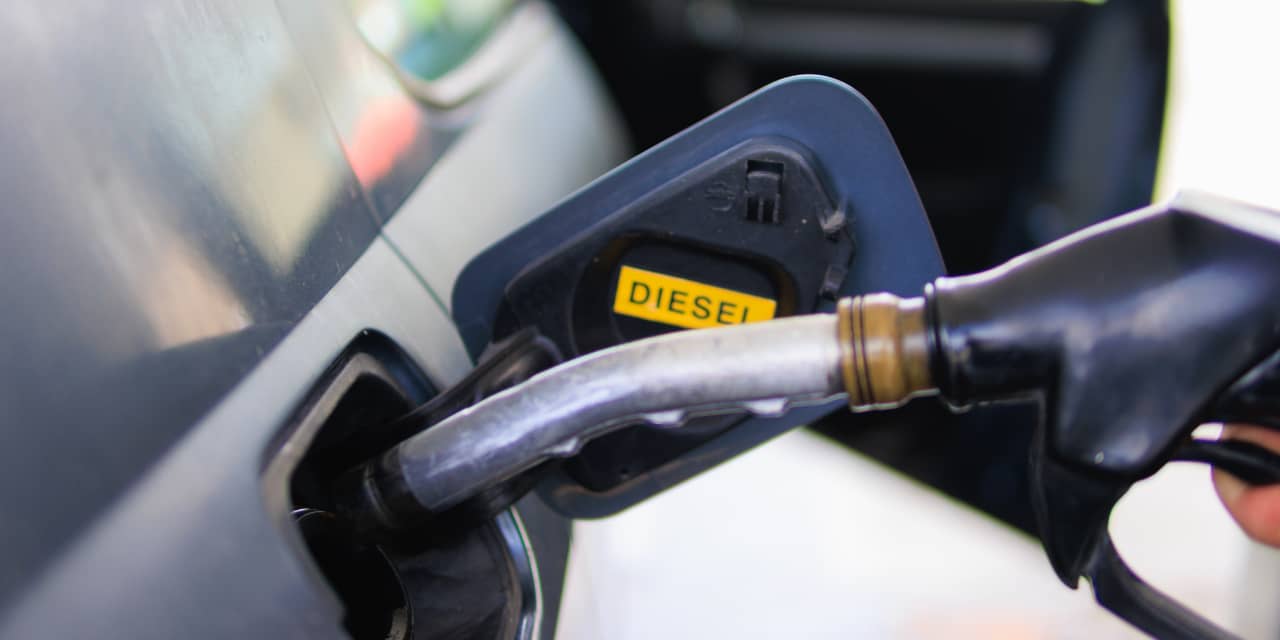
Prices that businesses pay for goods and services rose faster than expected in September, according to coverage of the latest Producer Price Index (PPI) report. The report came out on October 15, 2026, and it puts the cost of living back in the spotlight.
CNBC reports that wholesale prices rose 6.3% compared with a year earlier. That is the biggest yearly increase since 2022. MarketWatch says the result was hotter than forecasters expected and puts "new pressure" on the Federal Reserve. CNN connects the numbers to worries about affordability ahead of the midterm elections.
What happened
The PPI is a monthly report from the US Bureau of Labor Statistics. According to the headlines, the September reading showed wholesale inflation "surged" (CNN's word) and "jumped" (CNBC's word). CNBC gives the 6.3% annual figure. MarketWatch, which ran live updates on the release, says the increase came in above expectations.
The headlines don't give a breakdown by category, such as energy, food, or services. So this article doesn't say which parts of the economy drove the increase.
What the PPI actually measures
Background: Most people know the Consumer Price Index (CPI), which tracks what shoppers pay at the store. The PPI looks one step earlier in the chain. It tracks the prices that producers and wholesalers get for what they sell, such as raw materials, factory goods, and business services.
Economists often treat the PPI as an early warning sign. When businesses pay more for their inputs, they may pass some of that cost on to customers later. The link isn't automatic, though. Some companies absorb higher costs by accepting smaller profits, and competition can limit how much they raise prices. So a high PPI reading points to possible pressure on consumer prices. It doesn't guarantee that store prices will rise by the same amount.
Why the Fed is watching
Background: The Federal Reserve is the US central bank, and one of its main jobs is keeping inflation under control. Its key tool is the short-term interest rate it sets. That rate affects borrowing costs across the economy. When inflation runs hot, the Fed may keep rates higher or raise them to cool demand. When inflation eases, it has more room to cut.
That's why MarketWatch describes the report as putting "new pressure" on the Fed. Faster-than-expected wholesale inflation makes the Fed's choices harder, especially if officials had been hoping price growth would slow. The headlines don't say what the Fed will do next, and no decision is reported here.
Why it matters for everyday people
Coverage from CNN and the BBC focuses on households. CNN says affordability is a major issue ahead of the midterm elections. A day before the report, the BBC published a piece titled "'It's rough out here': Americans struggle to survive amid rising costs," which describes people struggling with higher living expenses.
For ordinary families, wholesale inflation matters in two main ways. First, it may show up later in prices for everyday goods and services. Second, it can affect interest rates on things like credit cards, car loans, and mortgages, depending on how the Fed responds. Next comes the consumer price data, which will show whether these higher business costs are reaching shoppers.
| Publisher | Their angle | Original |
|---|---|---|
| MarketWatch | Live coverage stressing the hotter-than-expected result and pressure on the Fed | Read ↗ at MarketWatch |
| CNBC | Focus on the 6.3% annual jump, the biggest since 2022 | Read ↗ at CNBC |
| CNN | Links wholesale inflation to affordability and midterm politics | Read ↗ at CNN |
| BBC | Human-interest look at Americans struggling with rising costs | Read ↗ at BBC |
Words to know
- Producer Price Index (PPI)
- A monthly government measure of the prices businesses get for the goods and services they sell, often called wholesale inflation.
- Wholesale prices
- Prices charged between businesses, before products reach retail shoppers.
- Federal Reserve (the Fed)
- The US central bank, which sets key interest rates to try to keep inflation and employment stable.
- Annual (year-over-year) change
- How much a price or index has changed compared with the same month a year earlier.
Questions readers ask
Is the PPI the same as the inflation number I hear about on the news?
Not exactly. The most widely cited inflation number is usually the Consumer Price Index (CPI), which tracks what shoppers pay. The PPI tracks what producers and wholesalers charge, earlier in the supply chain.
Does this mean prices at the store will go up 6.3%?
No, not necessarily. Higher wholesale costs can be passed on to shoppers, but businesses may absorb some of them, and the amount and timing vary a lot from product to product.
Will the Fed raise interest rates because of this?
The reports say the data puts pressure on the Fed, but they don't report any decision. The Fed looks at many indicators before it changes rates.
For educational purposes only. Not investment advice. We do not recommend any stock, fund, broker or trading platform. Headlines are sourced from Google News · Business; every story links to the original publishers.