China's Economy Slows in October as New Stimulus Has Yet to Take Effect
October figures for factory output, retail sales and investment came in below expectations, outlets report. Foreign demand for Chinese goods looks strong, but spending at home is weakening.
For educational purposes only. Not investment advice.
- Reuters and CNBC report that China's October factory output, retail sales and investment all came in below forecasts.
- Bloomberg says new government stimulus has not yet started to lift the economy.
- The WSJ points to a split: demand for Chinese goods is strong overseas, while momentum at home is slowing.
- China is the world's second-largest economy, so its slowdown can affect prices, trade and jobs in other countries.
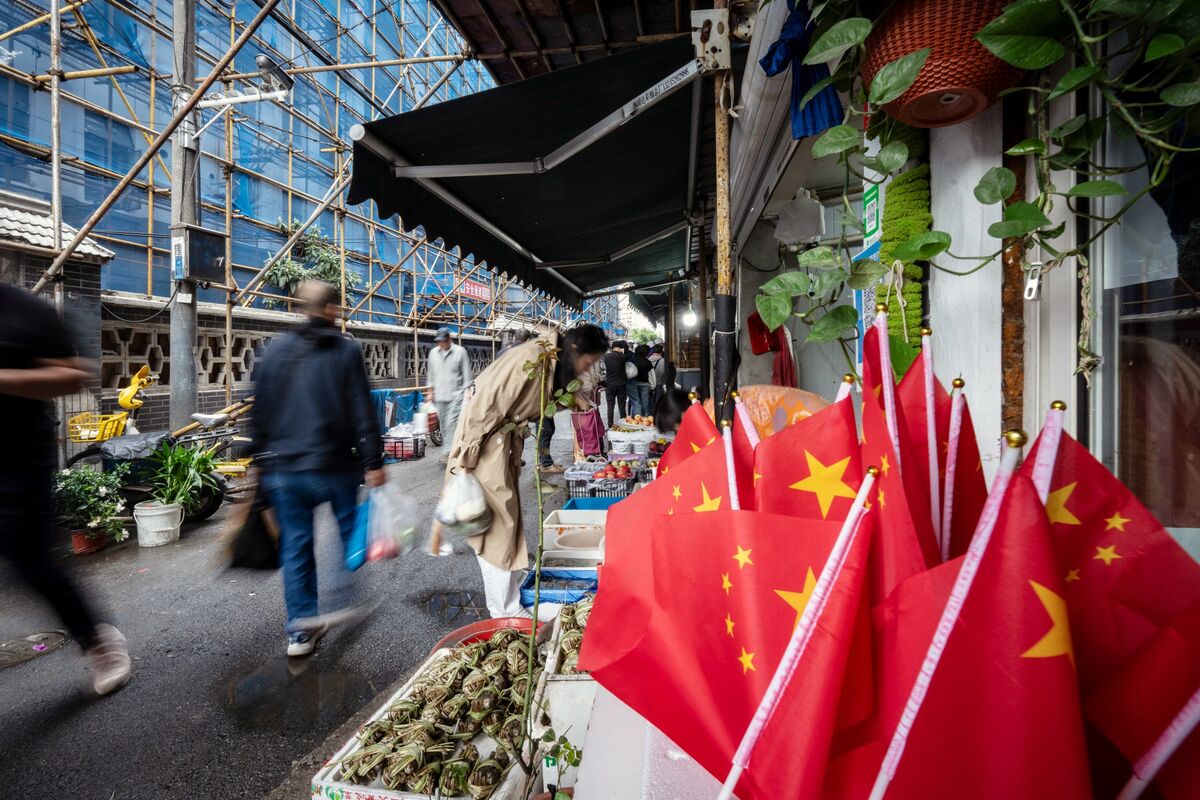
China's economy lost more steam in October, according to coverage published on November 16, 2026 by Bloomberg, the Wall Street Journal, CNBC and Reuters.
Every month, China releases figures showing how much its factories produced, how much shoppers spent and how much money went into things like buildings and equipment. This time the numbers were weaker than forecasters had expected. Here is what was reported, and why it matters even if you have never been to China.
What happened
CNBC reports that China's slowdown deepened in October, with industrial output, retail sales and investment all missing estimates. Reuters describes the economy as faltering, noting that factory output and retail sales fell short of expectations.
Bloomberg's headline adds that the economy disappointed while new stimulus has yet to kick in. In other words, the government has announced new support measures, but they have not had time to show up in the data. The headlines don't say exactly what those measures are, so we won't guess here.
None of the headlines gives exact figures. This article sticks to what they say: the October numbers were below expectations across several important measures.
Strong abroad, weaker at home
The Wall Street Journal frames the story differently. Its headline says demand for Chinese goods is soaring even as economic momentum slows at home. That points to a split. Buyers in other countries still want what China makes, but households and businesses inside China are holding back.
Background: economists have long described China's economy as relying heavily on manufacturing and exports, with household spending making up a smaller share than in countries like the United States. When people at home spend cautiously, strong exports can hide some of the weakness, but they usually can't make up for all of it.
The outlets don't disagree about the facts. They mostly emphasize different parts of the same picture: weak domestic data (CNBC, Reuters), the timing of government support (Bloomberg), and the gap between demand abroad and at home (WSJ).
How stimulus usually works
Background: "stimulus" means steps a government or central bank takes to get an economy growing faster. Common tools include government spending on projects, tax cuts, cash or subsidies for consumers, and lower interest rates that make borrowing cheaper.
These steps usually take time to work. Money has to be approved, handed out and spent before it shows up in factory orders or store sales. That delay is why Bloomberg's point about stimulus not yet kicking in matters. Weak October data doesn't tell us whether the new measures will work. It only shows they hadn't taken effect by then.
Why it matters for everyday people
China is the world's second-largest economy and a major trading partner for many countries. When Chinese consumers and businesses spend less, companies that sell to China can see weaker sales. When Chinese factories keep exporting heavily while demand at home is soft, the extra goods can push prices down in global markets.
For readers outside China, this can affect what everyday products cost, how well some exporters and manufacturers do, and the debates over trade policy. None of these effects is certain, and they depend on many other factors. Still, monthly data like this is one of the signals economists and policymakers watch to see where the global economy is heading.
| Publisher | Their angle | Original |
|---|---|---|
| Bloomberg.com | Economy disappoints because new stimulus has not taken effect yet | Read ↗ at Bloomberg.com |
| WSJ | Contrast between strong foreign demand and slowing domestic momentum | Read ↗ at WSJ |
| CNBC | Slowdown deepens as output, retail sales and investment miss estimates | Read ↗ at CNBC |
| Reuters | Economy falters as factory output and retail sales undershoot expectations | Read ↗ at Reuters |
Words to know
- Industrial output
- A measure of how much factories, mines and utilities produce over a period.
- Retail sales
- The total amount consumers spend in stores and online, a common gauge of household spending.
- Stimulus
- Government or central bank actions, such as extra spending, tax cuts or lower interest rates, meant to speed up economic growth.
- Missing estimates
- When an official figure comes in below what economists had forecast.
Questions readers ask
Did China's economy shrink in October?
The headlines don't say that. They report that several key measures came in weaker than expected and that the slowdown deepened. Slower growth than forecast is not the same thing as shrinking.
If exports are strong, why is the economy slowing?
According to the WSJ's framing, demand abroad is strong but activity inside China is weakening. Exports are only one part of the economy. If households and businesses at home spend and invest less, overall growth can still slow.
Will the new stimulus fix this?
No one can say yet. Bloomberg reports only that it has not kicked in so far. Stimulus usually takes months to show up in the data, so future monthly reports will give a clearer picture.
For educational purposes only. Not investment advice. We do not recommend any stock, fund, broker or trading platform. Headlines are sourced from Google News · Business; every story links to the original publishers.