Older Workers Lead Korea's Growth in Regular Jobs as Youth Employment Falls
Korean outlets report that older workers drove the third-quarter rise in regular jobs, while regular employment among young people declined. Here's what that means.
For educational purposes only. Not investment advice.
- Korean outlets report that older workers drove growth in regular jobs in the third quarter.
- The Korea Times reports that regular employment among young people fell over the same period.
- In Korea, regular jobs usually come with more security and benefits than temporary or contract work.
- The reports don't explain the causes, but Korea's fast-aging population is a common background factor.
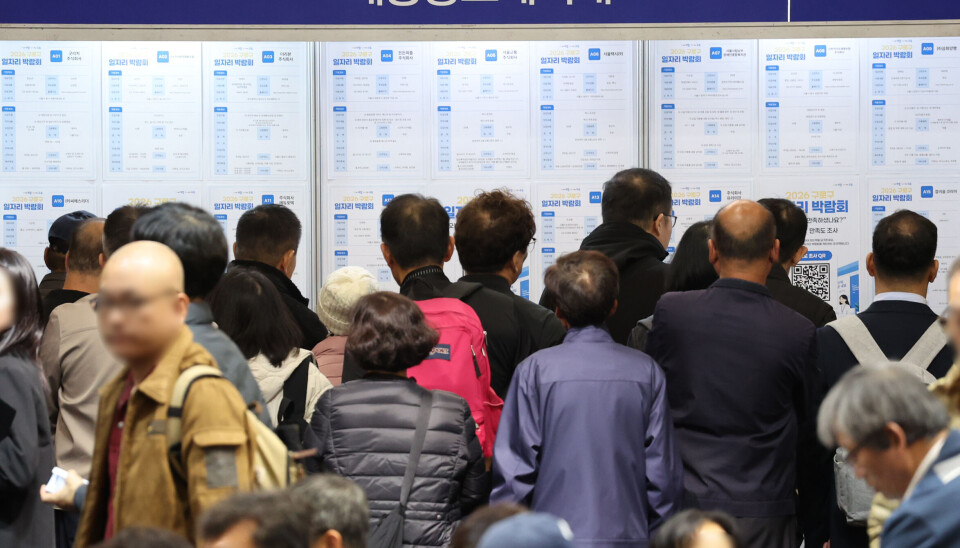
South Korea's job market is showing an age split. According to coverage from the Korea JoongAng Daily and The Korea Times, growth in regular jobs is coming mostly from older workers, while young people are seeing fewer of these jobs.
That matters because in Korea, a "regular" job usually means more than a paycheck. It often comes with stronger job security, benefits and a clearer career path. Who gets those jobs affects how people plan their lives, from moving out of their parents' home to starting a family.
What happened
The Korea Times reports that regular employment rose among older workers in the third quarter (July through September) and fell among youth. The Korea JoongAng Daily describes the same trend, saying older workers are driving Korea's regular job growth as youth employment declines.
Both outlets agree on the basic picture. The headlines don't give exact figures, define the age groups or say which survey the numbers come from, so this article won't guess at them. Readers who want the specific numbers should check the original reports.
Background: what counts as a "regular" job
Korea's labor market is often described as having two tiers. Regular workers usually have open-ended contracts, meaning there's no set end date. They also tend to get better pay, social insurance and protection from dismissal.
Non-regular workers include people on fixed-term contracts, part-time workers and temporary or dispatched staff. These jobs can be easier for employers to create and end. On average, they offer lower pay and less security.
Because the gap between the two tiers can be large, economists and policymakers track who holds regular jobs closely. A shift in that mix can say more about the job market than a simple total of how many people are working.
Why the age split may be happening
The headlines don't explain the causes. As general background, analysts often point to a few long-running forces in Korea.
The first is demographics. Korea has one of the world's fastest-aging populations and a very low birth rate. That means the number of older people keeps growing while the number of young people shrinks. Some of the change in employment by age can simply reflect how many people are in each age group.
The second is that many older Koreans keep working past traditional retirement ages, often because savings or pensions don't fully cover living costs. The third is that young people tend to look for jobs at large firms, which can be competitive and slow to hire. Some delay entering the workforce to prepare for exams or wait for better offers.
None of these explanations comes from the reports themselves. They're common frameworks for reading data like this.
Why it matters for everyday people
For young people, fewer regular jobs can mean a slower start to their careers and more time in less stable work. That can delay big life decisions like buying a home or having children, which in turn feeds back into Korea's demographic challenges.
For older workers, more regular jobs can mean steadier income and benefits later in life. For the wider economy, it raises questions about how companies hire, how retirement systems are designed and how to help young people into stable work.
The trend is also worth watching outside Korea. Many countries face aging populations, and Korea is often seen as an early example of how those pressures show up in the job market.
| Publisher | Their angle | Original |
|---|---|---|
| Korea JoongAng Daily | Frames older workers as the main driver of regular job growth while youth employment shrinks | Read ↗ at Korea JoongAng Daily |
| The Korea Times | Focuses on Q3 data showing regular jobs up for older workers and down for youth | Read ↗ at The Korea Times |
Words to know
- Regular employment
- Jobs with open-ended contracts, usually with more security, benefits and protection from dismissal than temporary work.
- Non-regular worker
- Someone on a fixed-term, part-time, temporary or dispatched contract, which typically pays less and is less secure.
- Third quarter (Q3)
- The three months from July through September, one of the four periods used to report economic data.
- Aging population
- A population in which older people make up a growing share, often because birth rates are low and people live longer.
Questions readers ask
Does this mean older workers are taking jobs from young people?
The headlines don't say that. Jobs aren't always interchangeable between age groups. Shifts in employment by age can also reflect population changes, industry trends and hiring practices.
Why does it matter whether a job is 'regular'?
In Korea, regular jobs usually offer more stability, better pay and benefits. Fewer of them for young people can mean a harder start to their careers.
How many jobs are we talking about?
The headlines don't give specific numbers. For exact figures, see the original reports from the Korea JoongAng Daily and The Korea Times.
For educational purposes only. Not investment advice. We do not recommend any stock, fund, broker or trading platform. Headlines are sourced from Google News · Business; every story links to the original publishers.