Why the Bank of England Is Signaling More Interest Rate Rises
The Bank of England's chief economist says more rate rises may be needed to fight inflation, and new UK price data could add to the pressure. Here's what that means for households.
For educational purposes only. Not investment advice.
- The Bank of England's chief economist, Huw Pill, has signaled that further interest rate rises may be needed to fight inflation, according to the Financial Times and Reuters.
- Bloomberg reports that upcoming UK price data could strengthen the case for raising rates again.
- The Guardian argues that a rapid rise looks likely and that households would bear much of the cost.
- Higher rates usually make borrowing more expensive and can raise returns on savings, but how much any one household is affected depends on its situation.
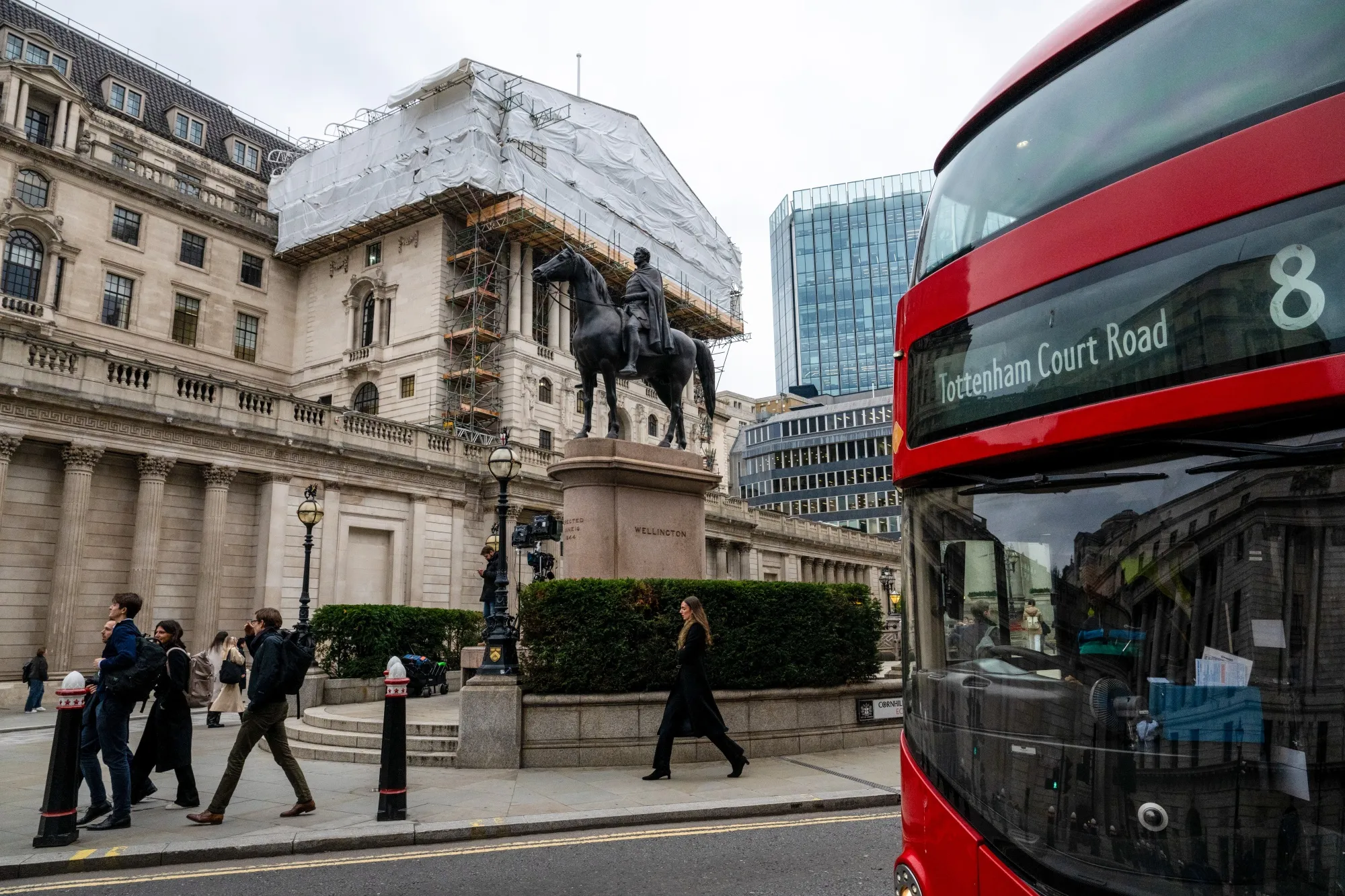
The Bank of England, the UK's central bank, may be getting ready to raise interest rates again. Several major outlets covered the story within two days, and they mostly agree on the direction: borrowing in Britain could get more expensive.
This article covers what was reported, why a central bank raises rates when prices are rising, and what that usually means for people with mortgages, loans or savings.
What happened
The Financial Times reports that the Bank of England's chief economist says further rate rises are needed to combat inflation. Reuters, citing that FT interview, names the official as Huw Pill and reports that he said the bank is likely to raise rates further in 2027.
Bloomberg's headline says the case for the Bank of England to raise rates "again" may get stronger because of new UK price data. In other words, Bloomberg is reading the latest inflation figures as a possible reason for policymakers to act. The headlines don't say exactly what the data shows or when a decision might come.
The Guardian goes further, saying a rapid interest rate rise "seems inevitable" and that households are expected to "pick up the tab."
How outlets are reading it
The outlets broadly agree but stress different things. The FT and Reuters focus on what a senior policymaker said, which is a direct signal from inside the bank. Bloomberg focuses on the economic data that could back up that signal. The Guardian looks at the human side and asks who ends up paying.
Keep in mind that one official's view doesn't decide policy. As background, UK interest rate decisions are made by a committee that votes, and its members don't always agree. Comments like Pill's show the direction some members lean, but they are not a final decision.
Why central banks raise rates
Background: the Bank of England has a target for inflation, the pace at which prices rise. When inflation runs above that target, one of its main tools is raising its key interest rate, often called Bank Rate.
A higher Bank Rate tends to feed through to the rates banks charge on loans and mortgages. Borrowing becomes more expensive, so people and businesses usually spend and borrow a bit less. Over time, that slower spending is meant to ease the pressure on prices.
The tradeoff is that slowing the economy can also hurt growth and jobs. That is why central bankers watch new price data closely before acting.
Why it matters for everyday people
The Guardian's point about households "picking up the tab" reflects how rate rises usually work in practice. People on variable-rate or tracker mortgages often see their payments go up fairly quickly. People on fixed-rate deals are usually protected until their deal ends, but they may face higher rates when they remortgage.
Credit cards, personal loans and car finance can also get more expensive. On the other hand, savers may see better interest on their accounts, though banks don't always pass on increases in full or right away.
How much this affects any one person depends on their own finances: how much they owe, what kind of loans they have, and how much they've saved. The coverage so far points toward higher rates, but the timing and size of any move had not been announced in these reports.
| Publisher | Their angle | Original |
|---|---|---|
| Bloomberg.com | New UK price data could strengthen the case for another hike | Read ↗ at Bloomberg.com |
| The Guardian | A rapid rise looks inevitable, with households bearing the cost | Read ↗ at The Guardian |
| Reuters | Pill tells the FT more hikes are likely in 2027 | Read ↗ at Reuters |
| Financial Times | The chief economist says more rises are needed to fight inflation | Read ↗ at Financial Times |
Words to know
- Inflation
- The general rise in prices over time, which means each pound buys a little less.
- Bank Rate
- The Bank of England's main interest rate, which influences what banks charge borrowers and pay savers.
- Chief economist
- A senior Bank of England official who leads its economic analysis and usually helps vote on rate decisions.
- Tracker mortgage
- A home loan whose interest rate moves up and down with a benchmark such as Bank Rate.
Questions readers ask
Has the Bank of England actually raised rates yet?
These reports are about signals and expectations. They don't confirm a specific new decision, its size or its date.
Will my mortgage payment go up?
If your mortgage rate is variable or tracks Bank Rate, it usually moves soon after a change. A fixed-rate deal stays the same until the fixed period ends.
Why would raising rates help with rising prices?
Higher rates make borrowing more expensive, which tends to slow spending. Over time, slower spending can ease the pressure on prices.
For educational purposes only. Not investment advice. We do not recommend any stock, fund, broker or trading platform. Headlines are sourced from Google News · Business; every story links to the original publishers.