Economy
Interest rates, inflation, growth and the data behind them, explained in plain English.

Fed Holds Rates Steady in Split Vote as Critics Ask If It's Moving Too Slowly
The Federal Reserve kept interest rates unchanged in a divided vote before the midterms. The New York Times warns a gradual approach could leave the Fed chasing inflation later.

Australia's Inflation Picks Up, and a Major Bank Now Expects a Rate Hike
Commonwealth Bank now expects the Reserve Bank of Australia to raise rates to 4.85% in November, after new data showed inflation speeding up in September.

China's Industrial Profits Jumped in September. Outlets Disagree on Why
Profits at Chinese factories and industrial firms grew faster in September. Some coverage credits oil, and some points to a tech boom that is splitting the economy into winners and laggards.

Why France Has Become a Focus of Worries About Government Debt
Major outlets are describing France as a symbol of government debt troubles, with protests unsettling markets. Here is what the coverage says and how the basic mechanics work.

Moody's Holds Off on Downgrading France. Here's What a Credit Rating Means
Moody's left France's credit rating unchanged, according to several major outlets. Some called it a relief for the government, while others pointed to a warning attached to the decision.

AI Trade Wobbles as Investors Turn Back to US Treasury Bonds
The 10-year Treasury yield fell below 5% while the AI stock trade looked shaky. Here's what that means, and why bonds and AI stocks are being discussed together.

France's Debt Strains: What the Headlines Say and Why Borrowing Costs Matter
Several major outlets point to growing pressure on France's government debt, from budget turmoil to foreign investors heading for the exit. Here is what that means in plain English.

France's Borrowing Costs Hit 5%, Highest Since 2002: What It Means
Yields on French 10-year government bonds reached 5%, a level not seen since 2002, according to Reuters and the Financial Times. Here is what that means and why investors are watching.

China's Economy Grew 4.5% Last Quarter as AI-Driven Exports Surged
China's third-quarter growth beat forecasts on strong exports linked to the AI boom. Some outlets call it a rebound. Others say it hides weak demand at home.

Bank of Canada's Macklem: Oil Is Lifting Growth and Inflation as Global Strain Rises
Canada's central bank chief says global resilience is "under strain" as rising oil prices push up the outlook for both growth and inflation. Here's what that mix means.
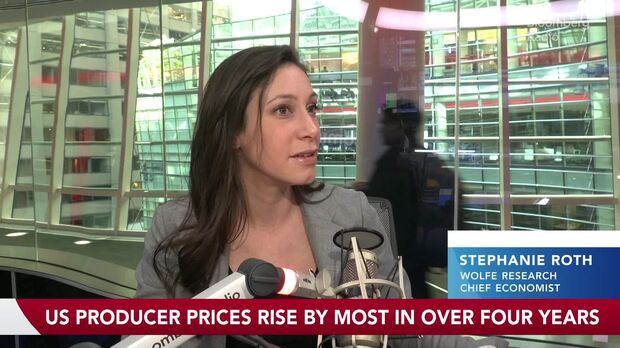
Gas Prices Up 34.2% in a Year: What the Latest Inflation Data Shows
Government data shows gasoline prices rose 34.2% in the year through September 2026. Overall inflation and wholesale prices also moved higher. Here's what the numbers mean.
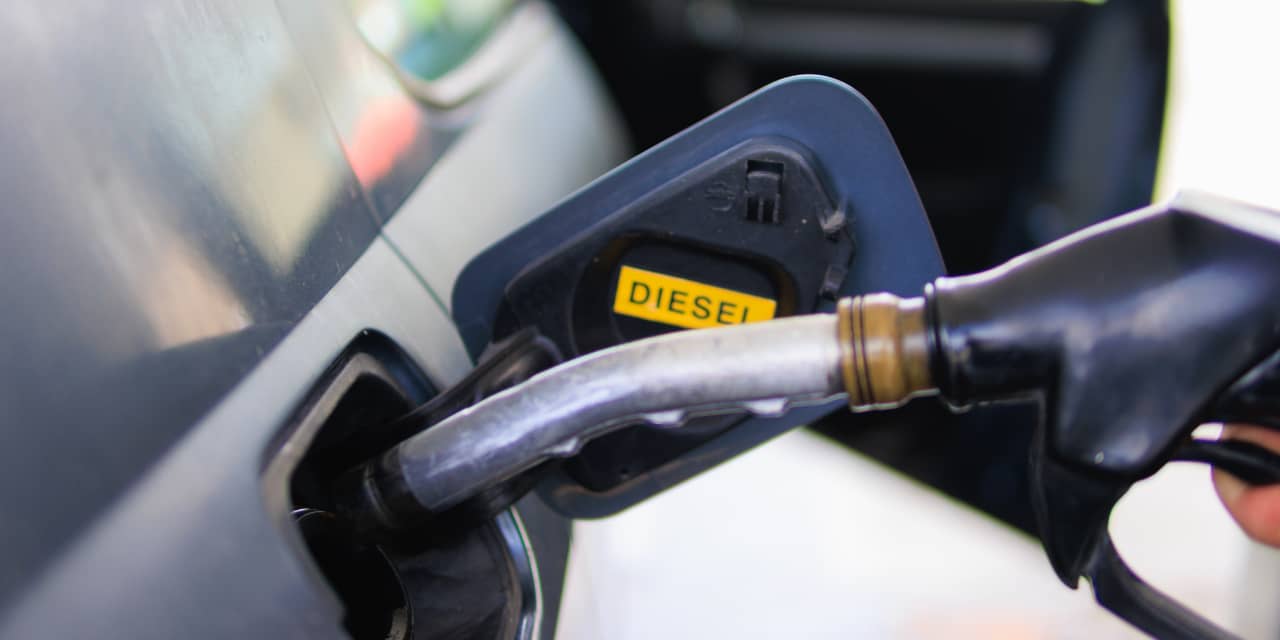
Wholesale Prices Jump in September: What the PPI Report Means
A key government gauge of what businesses pay rose faster than expected in September. Here's what the Producer Price Index measures and why the Fed and households watch it.